Embroidery Vs Sewing
Feb 04,2023 | chicif support
Embroidery and sewing are two distinct textile techniques that have been practiced for centuries. While both involve the manipulation of fabric and thread, they differ in terms of their purpose and execution.
This article aims to provide an objective analysis of embroidery and sewing, exploring their individual characteristics before comparing them in order to determine which technique may be more suitable for beginners.
By examining the similarities and differences between these two crafts, one can gain a deeper understanding of their unique qualities and make informed decisions about their preferred method of expression.
Key Takeaways
① Embroidery and sewing are both decorative crafts that require skill and precision.
② Embroidery allows for customization and individualization, while sewing focuses on construction and functionality.
③ Embroidery uses specialized threads and creates intricate designs, while sewing uses regular threads and focuses on clean lines.
④ Embroidery may be more challenging for beginners due to its intricate designs, while sewing has a more gradual learning curve.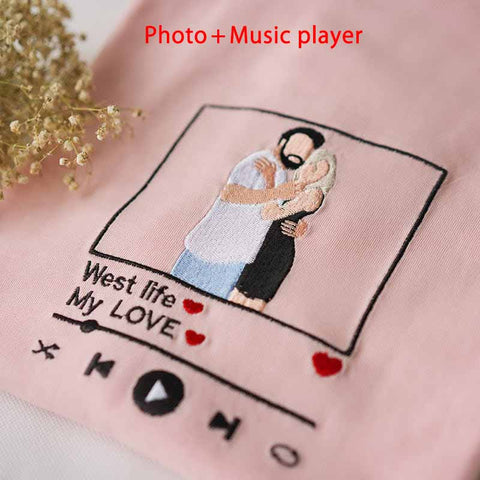
Understanding Embroidery
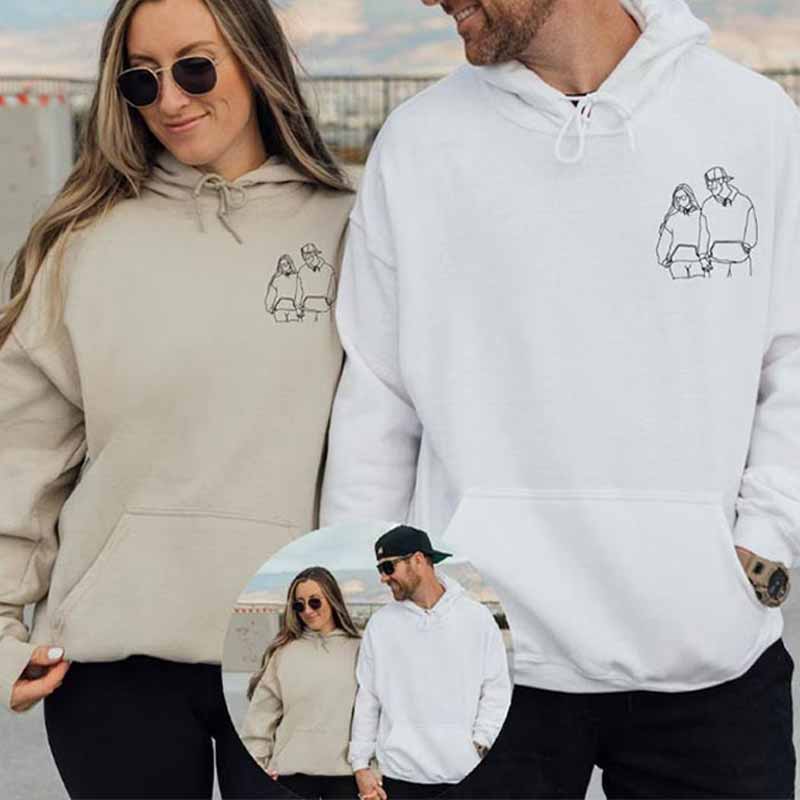
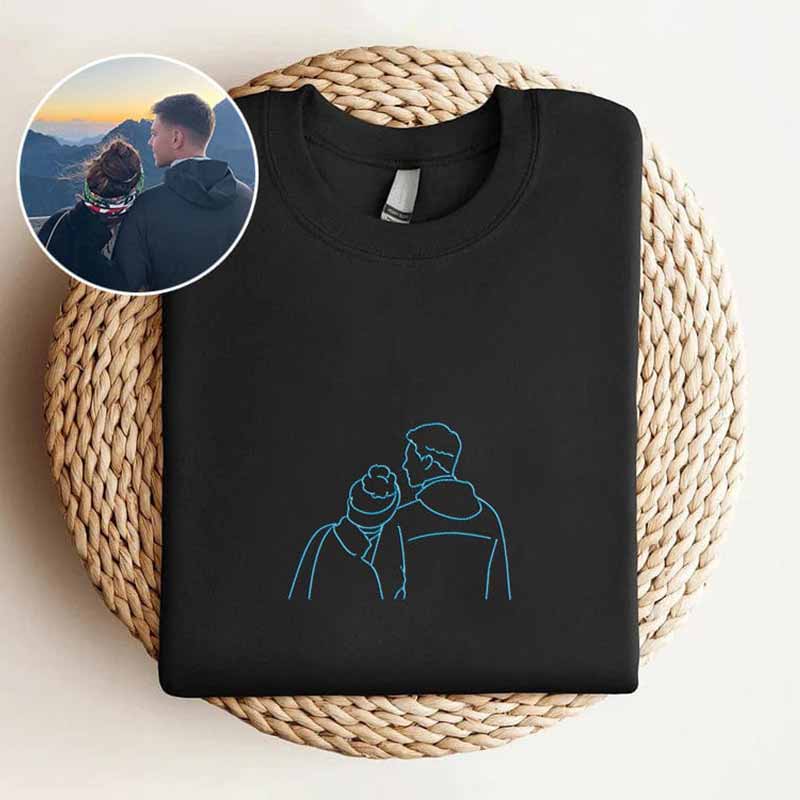
Embroidery is a decorative craft that involves the use of needle and thread to create intricate designs on fabric. It is an ancient art form that has been practiced for centuries across different cultures around the world. Embroidery can be done by hand or with the help of machines, but both methods require skill and precision.
One of the key aspects of embroidery is its ability to add beauty and aesthetic appeal to various items such as clothing, accessories, and home decor. The designs created through embroidery can range from simple patterns to complex motifs, depending on the desired effect. The choice of colors, stitches, and techniques used in embroidery can greatly impact the final outcome.
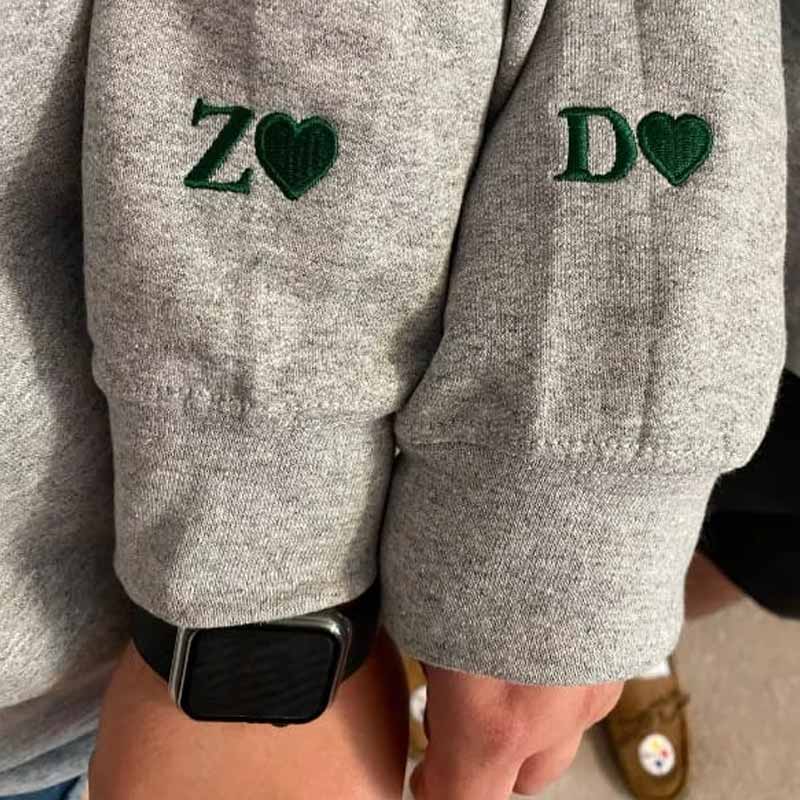
Embroidery also offers a way for individuals to express their creativity and personal style. It allows for customization and individualization of garments or other fabric items. Additionally, embroidery can be used to preserve cultural traditions and heritage through the incorporation of traditional motifs or symbols.
Overall, understanding embroidery involves recognizing its artistic value, technical aspects, and its potential for self-expression. By mastering this craft, one gains not only a practical skill but also a means of creating visually stunning works that are both functional and aesthetically pleasing.
Understanding Sewing
Studying the various techniques and skills involved in needlework enables a comprehensive understanding of the craft. Sewing, as one of the fundamental forms of needlework, involves joining fabric or other materials together using stitches made with a needle and thread. It is a versatile skill that can be applied to a wide range of projects, from clothing construction to home decor. Understanding sewing requires knowledge of different types of stitches, such as straight stitch, backstitch, and running stitch, as well as proficiency in using sewing tools like scissors, pins, and measuring tape.
Sewing offers numerous benefits beyond its practical applications. It can be a creative outlet for self-expression and allows individuals to personalize their garments or accessories with unique designs and embellishments. Moreover, engaging in sewing projects can foster feelings of accomplishment and satisfaction upon completing a handmade item. The act of sewing also promotes focus and concentration while providing opportunities for problem-solving when facing challenges during the process.
Comparing Embroidery and Sewing
A comparison between the two crafts involves analyzing their distinct techniques, materials used, and end results.
Embroidery is a decorative technique that involves stitching patterns onto fabric using a needle and thread. It often incorporates various types of stitches, such as satin stitch, backstitch, or cross-stitch, to create intricate designs.
Sewing, on the other hand, refers to the process of joining fabrics together using a needle and thread or a sewing machine. It is primarily used for constructing garments or household items.
In terms of materials used, embroidery typically requires specialized embroidery threads in various colors and thicknesses. These threads are often made from cotton or silk and come in a wide range of textures.
Sewing, on the other hand, uses regular sewing threads that are available in different weights depending on the type of fabric being sewn.
The end results of embroidery are highly detailed and visually appealing designs that add texture and dimension to fabric surfaces. In contrast, sewing focuses more on creating functional items with clean lines and precise construction.
Overall, while both crafts involve stitching fabrics together using needles and thread, they differ in their techniques, materials used, and final outcomes. Understanding these distinctions can help individuals choose the appropriate craft for their desired project.
Conclusion
Embroidery and sewing are both popular forms of needlework, each with its own unique characteristics.
Embroidery involves decorating fabric with thread or yarn to create intricate designs, while sewing is the process of joining fabrics together using stitches.
When comparing the two, embroidery requires more skill and precision due to its detailed nature, making it less suitable for beginners compared to sewing.
However, both crafts offer a creative outlet for individuals interested in textile arts.
Interestingly, according to a survey conducted by the Craft Yarn Council, around 53% of people who engage in needlework find it to be a stress-relieving activity.