Knitting vs Embroidery
Feb 04,2023 | chicif support
In the realm of textile arts, knitting and embroidery are two techniques that have captivated artisans throughout history. While both involve the manipulation of thread or yarn to create intricate designs, they differ in their methods and applications.
Discover the art of needlework! Unravel the differences between embroidery and sewing, as we explore the world of thread and fabric.
Knitting is a technique that involves the use of two or more needles to create a fabric by interlocking loops of yarn. It is a versatile craft that can be used to create a wide range of items, from clothing and accessories to home decor. Knitting allows for the creation of complex patterns and textures, making it a popular choice for those looking to add visual interest to their projects.
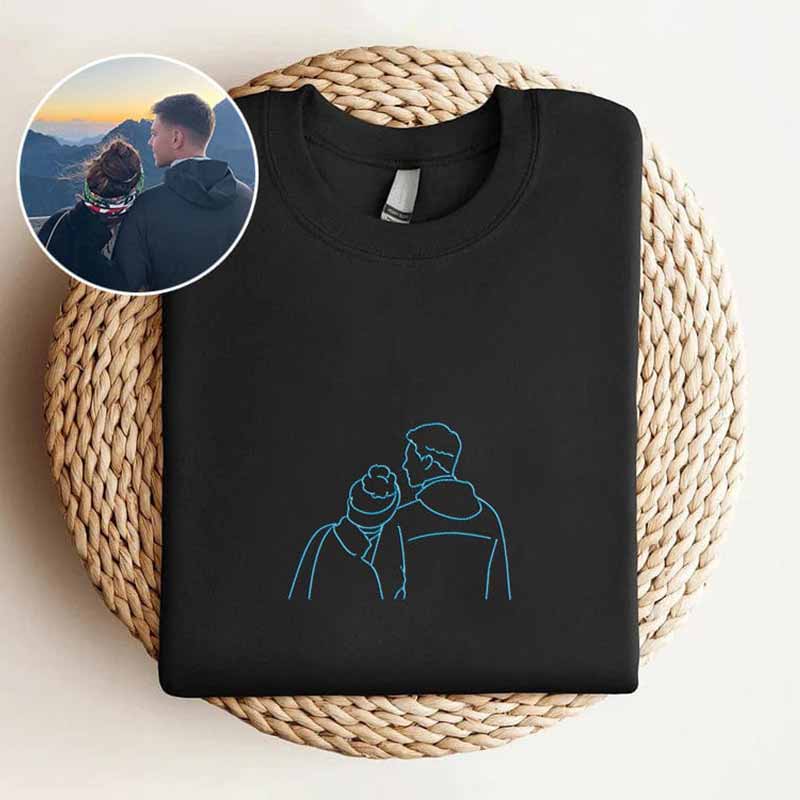
Embroidery, on the other hand, is the art of decorating fabric or other materials with needle and thread. It involves the use of various stitches, such as satin stitch, backstitch, and French knots, to create designs on the surface of the fabric. Embroidery can be done by hand or with the help of a machine, and it is often used to add decorative elements to garments, accessories, and home furnishings.
While knitting and embroidery share some similarities, they also have distinct strengths and limitations. Knitting allows for the creation of stretchy and flexible fabrics, making it ideal for items that need to fit closely to the body. It also allows for the use of different types of yarn, which can result in a wide variety of textures and finishes.
On the other hand, embroidery is a more precise and detailed technique, allowing for intricate designs and fine details. It is often used to add embellishments to garments or to create standalone pieces of art. However, embroidery can be time-consuming and requires a steady hand and attention to detail.
In conclusion, knitting and embroidery are two distinct techniques in the realm of textile arts. Knitting offers versatility and the ability to create complex patterns, while embroidery allows for intricate designs and fine details. By understanding the unique characteristics of each technique, artisans can make informed choices about which method to use for their projects.
Key Takeaways
① Knitting involves interlocking loops of yarn, while embroidery stitches decorative patterns onto fabric.
② Knitting requires knitting needles, while embroidery uses an embroidery hoop or frame.
③ Knitting creates warm and stretchy fabrics, while embroidery adds embellishments and personalization.
④ Knitting is used for clothing items, blankets, and scarves, while embroidery is primarily used for decorative purposes on clothing, accessories, and home decor.
Differences between Knitting and Embroidery
When comparing the techniques of knitting and embroidery, it is evident that they differ in their approach to creating designs on fabric.
Knitting involves using two or more needles to create interlocking loops of yarn, resulting in a textured fabric. On the other hand, embroidery utilizes a needle and thread to embellish fabric by stitching decorative patterns onto its surface.
One key difference between knitting and embroidery lies in their tools.
Knitting requires specialized knitting needles, which can vary in size and material depending on the desired outcome. In contrast, embroidery necessitates an embroidery hoop or frame to hold the fabric taut while stitching.
Another disparity between these two techniques is the types of yarns and threads used.
In knitting, various types of yarn are employed, ranging from natural fibers like wool and cotton to synthetic materials like acrylic. Embroidery typically employs different types of threads such as stranded cotton floss or silk floss, which allow for intricate detailing.
Furthermore, the end products of knitting and embroidery also diverge significantly.
Knitting often results in wearable items such as sweaters, scarves, or socks that provide warmth and comfort. In contrast, embroidered pieces tend to be more decorative in nature; they can include wall hangings, pillow covers, or framed artwork.
Applications of Knitting and Embroidery
The applications of both knitting and embroidery techniques encompass a wide range of possibilities, allowing for the creation of functional and decorative items alike.
Knitting, with its ability to create stretchy and warm fabrics, is often used in the production of clothing items such as sweaters, hats, and socks. It is also commonly employed in the creation of blankets and scarves due to its ability to produce large flat surfaces.
Embroidery, on the other hand, is primarily used for decorative purposes. It can be applied to a variety of fabric surfaces including clothing, accessories, and home decor items. Embroidery allows for intricate designs to be created using various stitches such as satin stitch, cross stitch, and backstitch.
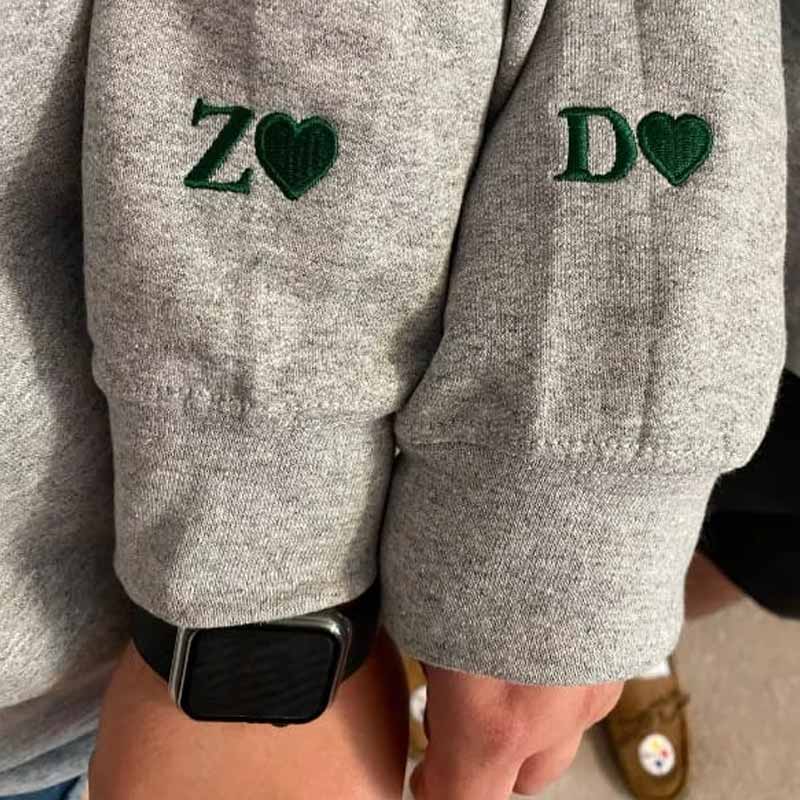
This technique is particularly well-suited for adding embellishments or personalization to garments or accessories like bags or hats. Additionally, embroidery can also be used in art forms such as tapestries or wall hangings.
In some cases, knitting and embroidery can be combined to create unique pieces that incorporate both functionality and aesthetic appeal. For example, knitted garments can have embroidered details added for decoration or visual interest.
Overall, while knitting is primarily utilized for creating wearable items with functional properties such as warmth and stretchiness; embroidery offers endless creative possibilities in terms of adding decorative elements to different types of fabrics.
Choosing Between Knitting and Embroidery
One important factor to consider when choosing between knitting and embroidery is the intended purpose or desired outcome of the project. Both knitting and embroidery have their own unique characteristics and capabilities, which can greatly influence the final result. Here are four key aspects to consider when making this decision:
Complexity: Knitting allows for a wide range of complex stitch patterns and intricate designs, making it ideal for creating textured garments such as sweaters or blankets. On the other hand, embroidery offers more versatility in terms of adding detailed embellishments onto existing fabrics or garments.
Durability: Knitted items tend to be more stretchy and flexible, making them suitable for wearable items that need to withstand frequent use. Embroidery, on the other hand, is more prone to wear and tear over time due to its delicate nature.
Time commitment: Knitting typically requires more time and patience as it involves creating fabric from scratch using multiple stitches. Embroidery, on the other hand, can be quicker since it involves stitching pre-made designs onto fabric.
Personal preference: Ultimately, personal preference should play a significant role in choosing between knitting and embroidery. Some individuals may find joy in the repetitive motions of knitting while others may prefer the precision and creativity involved in embroidery.
Considering these factors will help individuals make an informed decision based on their desired outcome, skill level, available time, and personal preferences when deciding between knitting and embroidery projects.
Conclusion
Knitting and embroidery are two distinct forms of textile art that offer different techniques and applications.
Knitting involves using needles to create fabric from yarn, while embroidery uses needle and thread to decorate fabric with stitches.
The main difference between knitting and embroidery lies in their techniques, with knitting focusing on creating a fabric structure, and embroidery emphasizing decorative embellishment.
Both crafts have various applications, such as clothing, accessories, home decor, and artistic expression.
When choosing between knitting or embroidery, one should consider the desired outcome and the level of intricacy required.
In conclusion, these artistic practices provide unique opportunities for creative expression through textiles – like a vibrant tapestry woven by skilled hands.
Discover the art of needlework! Unravel the differences between embroidery and sewing, as we explore the world of thread and fabric.
Knitting is a technique that involves the use of two or more needles to create a fabric by interlocking loops of yarn. It is a versatile craft that can be used to create a wide range of items, from clothing and accessories to home decor. Knitting allows for the creation of complex patterns and textures, making it a popular choice for those looking to add visual interest to their projects.
Embroidery, on the other hand, is the art of decorating fabric or other materials with needle and thread. It involves the use of various stitches, such as satin stitch, backstitch, and French knots, to create designs on the surface of the fabric. Embroidery can be done by hand or with the help of a machine, and it is often used to add decorative elements to garments, accessories, and home furnishings.
While knitting and embroidery share some similarities, they also have distinct strengths and limitations. Knitting allows for the creation of stretchy and flexible fabrics, making it ideal for items that need to fit closely to the body. It also allows for the use of different types of yarn, which can result in a wide variety of textures and finishes.
On the other hand, embroidery is a more precise and detailed technique, allowing for intricate designs and fine details. It is often used to add embellishments to garments or to create standalone pieces of art. However, embroidery can be time-consuming and requires a steady hand and attention to detail.
In conclusion, knitting and embroidery are two distinct techniques in the realm of textile arts. Knitting offers versatility and the ability to create complex patterns, while embroidery allows for intricate designs and fine details. By understanding the unique characteristics of each technique, artisans can make informed choices about which method to use for their projects.
Key Takeaways
① Knitting involves interlocking loops of yarn, while embroidery stitches decorative patterns onto fabric.
② Knitting requires knitting needles, while embroidery uses an embroidery hoop or frame.
③ Knitting creates warm and stretchy fabrics, while embroidery adds embellishments and personalization.
④ Knitting is used for clothing items, blankets, and scarves, while embroidery is primarily used for decorative purposes on clothing, accessories, and home decor.
Differences between Knitting and Embroidery
When comparing the techniques of knitting and embroidery, it is evident that they differ in their approach to creating designs on fabric.
Knitting involves using two or more needles to create interlocking loops of yarn, resulting in a textured fabric. On the other hand, embroidery utilizes a needle and thread to embellish fabric by stitching decorative patterns onto its surface.
One key difference between knitting and embroidery lies in their tools.
Knitting requires specialized knitting needles, which can vary in size and material depending on the desired outcome. In contrast, embroidery necessitates an embroidery hoop or frame to hold the fabric taut while stitching.
Another disparity between these two techniques is the types of yarns and threads used.
In knitting, various types of yarn are employed, ranging from natural fibers like wool and cotton to synthetic materials like acrylic. Embroidery typically employs different types of threads such as stranded cotton floss or silk floss, which allow for intricate detailing.
Furthermore, the end products of knitting and embroidery also diverge significantly.
Knitting often results in wearable items such as sweaters, scarves, or socks that provide warmth and comfort. In contrast, embroidered pieces tend to be more decorative in nature; they can include wall hangings, pillow covers, or framed artwork.
Applications of Knitting and Embroidery
The applications of both knitting and embroidery techniques encompass a wide range of possibilities, allowing for the creation of functional and decorative items alike.
Knitting, with its ability to create stretchy and warm fabrics, is often used in the production of clothing items such as sweaters, hats, and socks. It is also commonly employed in the creation of blankets and scarves due to its ability to produce large flat surfaces.
Embroidery, on the other hand, is primarily used for decorative purposes. It can be applied to a variety of fabric surfaces including clothing, accessories, and home decor items. Embroidery allows for intricate designs to be created using various stitches such as satin stitch, cross stitch, and backstitch.
This technique is particularly well-suited for adding embellishments or personalization to garments or accessories like bags or hats. Additionally, embroidery can also be used in art forms such as tapestries or wall hangings.
In some cases, knitting and embroidery can be combined to create unique pieces that incorporate both functionality and aesthetic appeal. For example, knitted garments can have embroidered details added for decoration or visual interest.
Overall, while knitting is primarily utilized for creating wearable items with functional properties such as warmth and stretchiness; embroidery offers endless creative possibilities in terms of adding decorative elements to different types of fabrics.
Choosing Between Knitting and Embroidery
One important factor to consider when choosing between knitting and embroidery is the intended purpose or desired outcome of the project. Both knitting and embroidery have their own unique characteristics and capabilities, which can greatly influence the final result. Here are four key aspects to consider when making this decision:
Complexity: Knitting allows for a wide range of complex stitch patterns and intricate designs, making it ideal for creating textured garments such as sweaters or blankets. On the other hand, embroidery offers more versatility in terms of adding detailed embellishments onto existing fabrics or garments.
Durability: Knitted items tend to be more stretchy and flexible, making them suitable for wearable items that need to withstand frequent use. Embroidery, on the other hand, is more prone to wear and tear over time due to its delicate nature.
Time commitment: Knitting typically requires more time and patience as it involves creating fabric from scratch using multiple stitches. Embroidery, on the other hand, can be quicker since it involves stitching pre-made designs onto fabric.
Personal preference: Ultimately, personal preference should play a significant role in choosing between knitting and embroidery. Some individuals may find joy in the repetitive motions of knitting while others may prefer the precision and creativity involved in embroidery.
Considering these factors will help individuals make an informed decision based on their desired outcome, skill level, available time, and personal preferences when deciding between knitting and embroidery projects.
Conclusion
Knitting and embroidery are two distinct forms of textile art that offer different techniques and applications.
Knitting involves using needles to create fabric from yarn, while embroidery uses needle and thread to decorate fabric with stitches.
The main difference between knitting and embroidery lies in their techniques, with knitting focusing on creating a fabric structure, and embroidery emphasizing decorative embellishment.
Both crafts have various applications, such as clothing, accessories, home decor, and artistic expression.
When choosing between knitting or embroidery, one should consider the desired outcome and the level of intricacy required.
In conclusion, these artistic practices provide unique opportunities for creative expression through textiles – like a vibrant tapestry woven by skilled hands.